Aunt Loves Me Embroidery Review
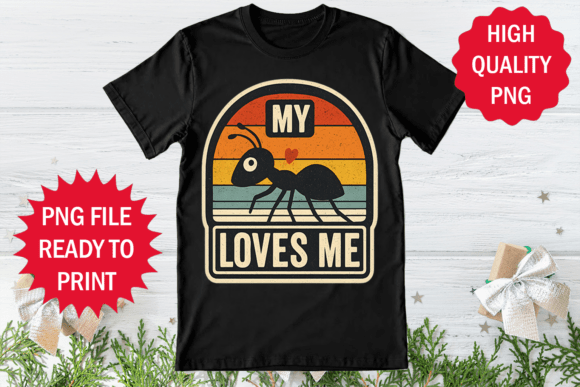
As a designer who spends more time troubleshooting thread jams and debating stabilizer weights than drinking coffee, I approach every new download with a healthy dose of skepticism. The market is flooded with "cute" clipart that looks adorable on a screen but turns into a tangled mess under the needle. That is why I take the time to evaluate designs like My Aunt Loves Me Funny T-shirt Clipart before they ever touch my hoop. This piece falls under the Freebies category within the broader Graphics collection, which immediately sets a specific expectation: it is likely designed for high-volume use, broad appeal, and quick production runs.
I recently pulled this design file to test its viability for a small batch of personalized gifts for a family reunion. The goal was simple: create a cohesive look for matching sweatshirts and tote bags that felt handmade but professional. Here is my honest breakdown of how My Aunt Loves Me Funny T-shirt Clipart performs in real-world embroidery scenarios, from stitch clarity to customer perception.
First Impressions and Visual Personality
The moment you open the file, the mood is unmistakable. It is playful, warm, and slightly irreverent. The phrase "My Aunt Loves Me" suggests a bond that is less about formal tradition and more about fun, indulgence, and inside jokes. Visually, the layout appears balanced, with text and graphic elements arranged to guide the eye naturally. For an embroiderer, the initial concern is always detail density. Does the design rely on tiny, intricate lines that will vanish after stitching? Or does it use bold shapes that hold up well?
In this case, the design leans towards bold, recognizable shapes. This is crucial for a machine embroidery design intended for apparel. If the details are too fine, the fabric texture can swallow them up, especially on knit fabrics like t-shirts or hoodies. The visual personality here screams "gift item." It feels like something a recipient would actually wear or display because it carries emotional weight without being overly sentimental. It strikes a balance between a gag gift and a genuine token of affection, which makes it highly versatile for various occasions, from birthdays to holidays.
Real-World Application: Where It Shines
When I moved this embroidery file to my machine, I tested it across several common substrates. The results were consistent and promising for specific product types.
- Custom Apparel: On a standard cotton t-shirt or a fleece sweatshirt, the design sat flat and looked crisp. The bold nature of the graphics works exceptionally well for sweatshirt embroidery, where durability and visibility are key. It doesn’t get lost in the pile of the fabric.
- Tote Bags and Canvas: This is perhaps the strongest use case. A tote bag design made from heavy canvas provides a stable surface that allows the stitch density to shine. The contrast between the sturdy fabric and the colorful threads creates a premium feel. It transforms a basic accessory into a statement piece.
- Personalized Gifts: The theme is inherently personal. Whether it is for a birthday, Mother’s Day, or just because, this design fits perfectly into the personalized gift market. It has that "aww" factor that drives engagement on social media platforms like Instagram and Pinterest.
- Baby Items: While the font might be too mature for a newborn onesie, it works beautifully for older children’s clothing or as a keepsake blanket. The warmth of the message translates well to soft textiles.
For the Etsy seller or small shop product owner, this design offers a low-risk entry point. Because it is a freebie, your primary cost is the thread and the blank item. This allows for competitive pricing while maintaining healthy margins. It also serves as excellent material for creating printable mockups to showcase your services online before committing to physical production.
Technical Considerations and Potential Pitfalls
No design is perfect, and My Aunt Loves Me Funny T-shirt Clipart has areas where caution is required. Understanding these limitations is what separates a hobbyist from a professional.
Hoop Size and Detail: Always check the recommended hoop size for this file. If the design includes smaller text or decorative accents, attempting to stitch it in a very small hoop (like 4x4 inches) may result in cramped stitches or distorted proportions. If you are aiming for a large, impactful look on a banner or poster background, ensure your machine can handle the width without requiring multiple re-hooping, which can misalign the registration.
Fabric Texture and Stability: This design relies on clear definition. Stitching it on highly textured fabrics, such as heavy tweed or loose-weave linen, can obscure the finer edges. Similarly, stretchy knits require a strong cut-away stabilizer to prevent puckering. Without proper support, the tension of the fill stitch areas can distort the garment, making the final product look amateurish.
Thread Color Contrast: The success of any graphic design depends heavily on color choice. If the original graphic uses light colors against a dark background, you must ensure your thread selection matches this contrast. Using white thread on a black shirt is classic, but if the design features pastel elements, they may disappear unless you use a backing or a contrasting base fabric. Always test thread colors on scrap fabric first.
Small Details and Satin Stitches: Examine the lettering closely. If the font uses thin satin stitch outlines, verify that the digitization supports the minimum stitch length required for clean edges. Thin satin stitches on dense fabrics can break or look jagged. If the design includes tiny graphical elements, consider whether they will survive frequent washing. For items like aprons or kitchen towels that undergo regular laundering, robust stitch structures are essential to maintain integrity over time.
Practical Designer Notes for Success
To get the best out of this digital embroidery file, I recommend following these practical steps before starting your main project:
- Test on Scrap Fabric: Never run a new design directly onto your final product. Use a scrap piece of the same fabric and stabilizer combination to check for tension issues, color clashes, or alignment problems.
- Review Stitch Density: Look at the stitch density in your software. If certain areas seem overly dense, you may need to adjust the settings to prevent needle breakage or fabric distortion. Conversely, if areas are too sparse, the fabric may show through.
- Check Licensing: Even though this is listed under Freebies, you must confirm the licensing terms. Are you allowed to sell finished products? Is there a limit on the number of units? As a commercial embroidery user, protecting your business from copyright issues is paramount.
- Inspect Small Details: Zoom in on the text and small graphics. Ensure that letters are not touching and that graphical elements have enough space between them to stitch cleanly. Overlapping stitches can lead to bulkiness and poor aesthetics.
- Consider the End User: Think about who will receive the item. Is it for a baby? An elderly relative? A young adult? The placement and sizing should reflect the comfort and style preferences of the end user. For example, a chest placement is standard for custom apparel, but a back print might be better for a larger, more expressive design.
Final Verdict
My Aunt Loves Me Funny T-shirt Clipart is a solid addition to any craft business library. It is not a high-fashion editorial piece, nor is it meant to be. Its strength lies in its accessibility, emotional resonance, and versatility. It works well for holiday embroidery, family reunions, and everyday gifting. When stitched correctly on appropriate fabrics with the right stabilizers, it produces a finished product that customers love.
For the maker or designer looking to expand their offerings with low-cost, high-appeal items, this design delivers. It encourages creativity, allows for easy customization through thread color choices, and fits seamlessly into a lineup of handmade products. Just remember to respect the technical limits of the digitization, test thoroughly, and always prioritize quality control. Done right, this little clipart can become a bestseller in your small shop.