Autism Mama, Autism Awareness Day Shirt: A Designer's Review
As an embroidery designer who has spent years testing digital assets on everything from delicate baby onesies to heavy-duty workwear, I know that the difference between a successful finished product and a frustrating mess often comes down to one thing: the source file. When I first encountered the Autism Mama, Autism Awareness Day Shirt, I wasn't just looking at a pretty image; I was analyzing how it would translate from a screen into thread. This review is for the Etsy sellers, boutique owners, and crafters who need practical insight before committing this design to their hoop.
First Impressions and Visual Personality
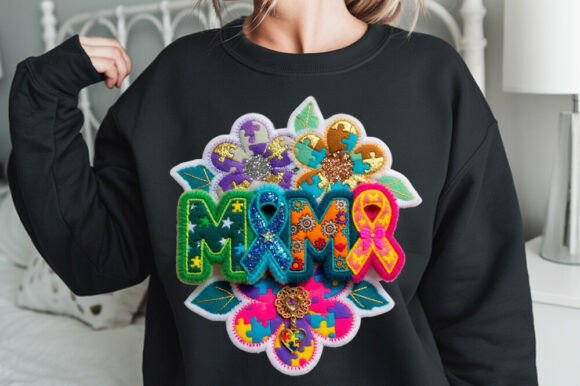
The moment you load up the Autism Mama, Autism Awareness Day Shirt graphic, the emotional weight of the piece becomes apparent. It carries a specific mood that resonates deeply with parents and advocates. The layout feels balanced, avoiding the cluttered look that can plague many freebie designs. For a designer, the initial appeal lies in its versatility. It isn't just a text-based logo; it has a visual personality that suggests warmth, strength, and community. In a market saturated with generic awareness ribbons, this design stands out because it speaks directly to the identity of the wearer. The shape and theme suggest it belongs naturally in projects where personal connection matters most, such as custom apparel or heartfelt gifts.
However, seeing the PNG preview is only half the battle. As someone who has reviewed countless embroidery files, I immediately started thinking about stitch density and how the details would hold up under tension. The design appears to have clear lines, which is promising, but the real test is always in the execution. Does it feel like a handmade product or a mass-produced sticker? From the file structure provided, it leans heavily towards the former, offering a clean canvas for a professional finish.
Real-World Application: The Tote Bag Scenario
To truly evaluate the potential of the Autism Mama, Autism Awareness Day Shirt, let's imagine a real-life scenario. Picture yourself preparing for a local craft fair or fulfilling a rush order for a client. You decide to create a custom embroidered tote bag featuring this design. The goal is to produce a high-quality item that customers will carry with pride, effectively turning them into brand ambassadors for your shop.
When placing this design on a sturdy cotton canvas tote, the visual impact is immediate. The boldness of the message works well against a neutral background, creating a striking contrast that draws attention without overwhelming the fabric. If you were to use this for sweatshirt embroidery instead, the soft texture of the fleece would soften the edges slightly, adding a cozy, approachable feel perfect for holiday gifts or casual wear. Even on a baby item, like a small bib or a nursery pillow cover, the design retains its clarity, provided the hoop size is managed correctly. The key here is that the design adapts to various contexts—whether it is a tote bag design for a mother carrying her child's essentials or a kitchen towel for a home that celebrates neurodiversity.
Navigating Technical Challenges
While the design is strong, every embroidery project comes with technical hurdles. I must advise caution when considering small hoop sizes. If the original artwork contains intricate lettering or fine decorative accents, shrinking it down too much can lead to thread breaks or lost details. Always check the stitch density before running a full production run. Dense fill stitches on thin fabrics can cause puckering, especially if you do not use the proper stabilizer. For stretchy fabrics like jersey or spandex blends, a tear-away stabilizer might not be enough; a cut-away backing is often necessary to maintain the integrity of the finished product.
Dark fabrics present another layer of complexity. While the design likely features light colors that pop against dark backgrounds, the underlying stability of the threads is crucial. If the design relies heavily on satin stitch for the text, ensure that the angle of the stitches aligns well with the grain of the fabric to prevent sheen issues. Furthermore, if you are planning to sell these items commercially, remember that frequent washing can take a toll. Designs with long, unanchored threads may fray over time, so inspecting the running stitch areas is vital for ensuring longevity.
Where to Use (and Where to Pause)
This design shines brightest on structured surfaces like caps, aprons, and patches where the fabric holds its shape. It is less suitable for highly textured fabrics like terry cloth or chunky knits, where the needle path might get obscured by the pile. Curved surfaces like baseball caps require careful digitization adjustments; if the file is not already optimized for curved stitching, the text may appear distorted. Additionally, avoid using this on products that require extreme durability through industrial washing cycles unless you have verified the thread quality and stitch count.
Impact on Brand and Customer Trust
In the world of Etsy sellers and small shop products, presentation is everything. A poorly executed design can erode customer trust instantly, while a crisp, well-stitched piece builds a reputation for quality. The Autism Mama, Autism Awareness Day Shirt graphic offers a solid foundation for building that trust. When a customer sees a clean, professional-looking embroidery job, they assume the rest of the business operates with the same level of care. This design supports brand consistency and enhances the perceived value of your commercial embroidery offerings.
Moreover, the emotional resonance of the theme drives buyer engagement. People buy these items not just for utility but for the statement they make. By choosing a design that clearly communicates support and love, you are tapping into a powerful narrative that encourages repeat purchases and word-of-mouth referrals. Whether used for holiday embroidery campaigns or year-round inventory, the design serves as a reliable asset for your craft business.
Practical Designer Notes Before You Stitch
Before you commit to a large batch, there are several steps any experienced designer should take. First, test the design on scrap fabric that matches your final material. Check the thread color contrast under different lighting conditions to ensure readability. Review the hoop size required to ensure the design fits your intended product dimensions without awkward cropping. Inspect small details closely; sometimes what looks good on a screen gets lost in the thread.
It is also wise to test the design in black and white mockups to see how the tonal values interact. Compare how it looks on both light and dark fabric backgrounds. Ensure you are using the correct stabilizer for the specific fabric texture you are working with. Finally, verify the licensing terms. While this listing is categorized under Freebies and Graphics, you must confirm whether you are allowed to sell the finished physical items or if the license restricts commercial use. Always read the fine print regarding design assets to protect your business.
Ultimately, the Autism Mama, Autism Awareness Day Shirt is more than just a digital file; it is a tool for expression. With careful preparation and attention to detail, it can become a cornerstone of your personalized gift collection or a standout item in your online store. By approaching it with the mindset of a professional reviewer, you ensure that every stitch tells the right story.