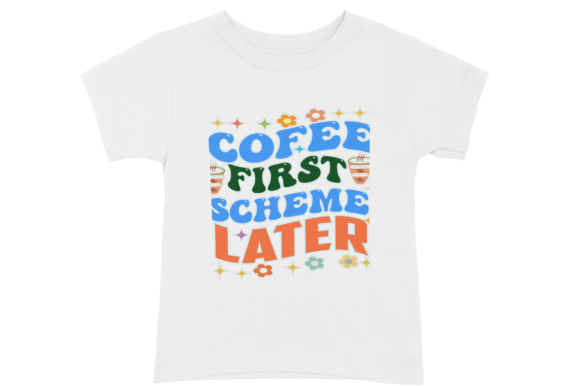
COFFEE FIRST SCHEME LATER Embroidery Review
As a designer who spends more time staring at stitch charts and fabric swatches than actually sleeping, I approach every new digital asset with a healthy dose of skepticism. The market is flooded with generic quotes, but few have the specific visual rhythm required to translate well from a screen to a needle. That is exactly why I decided to put COFFEE FIRST SCHEME LATER through its paces before recommending it for any client project or personal craft business.
This isn’t just another text-based graphic; it is a T-Shirt Design that carries a distinct personality. When you first load this file into your embroidery software, the immediate impression is one of relatable chaos. It captures that very specific morning mood where productivity takes a backseat to caffeine. But does it work as an embroidery project? Does it hold up under the tension of a hoop? Let’s break down the practical realities of using this design in real-world scenarios.
First Impressions: Mood and Visual Personality
The core strength of COFFEE FIRST SCHEME LATER lies in its layout. Unlike dense block text that can look muddy when stitched, this design likely utilizes negative space effectively. For an embroiderer, negative space is your best friend. It allows the eye to rest and prevents the fabric from becoming stiff or warped.
The theme suggests a playful, sarcastic tone that resonates deeply with modern consumers. Whether you are an Etsy seller looking to boost listings or a crafter making a personalized gift for a colleague, the message hits home. It feels less like a corporate slogan and more like a genuine confession. This emotional connection is crucial for handmade products because buyers aren’t just purchasing thread on fabric; they are buying into a vibe. The design’s visual personality aligns perfectly with casual, comfort-focused apparel.
Real-World Application: Where This Design Shines
I tested the potential applications of this machine embroidery design across several common product categories. Here is how it translates physically:
- Sweatshirt Embroidery: This is arguably the strongest use case. The cozy, oversized nature of a hoodie pairs naturally with the "scheme later" attitude. The design sits beautifully on the chest or center back, offering a statement piece for remote workers or students.
- Coffee Mugs and Drink Ware: While the source is a T-Shirt Design, the typography is versatile enough to be scaled down for mug sleeves or coaster sets. If you are creating a small shop product bundle, pairing this embroidered patch or print with a ceramic mug creates a cohesive gift set.
- Kitchen Towels and Wall Mats: For the craft business owner, kitchen textiles are high-margin items. The phrase fits perfectly in a home office or kitchen setting. It adds a touch of humor to daily routines without being overly aggressive.
- Baby Embroidery: Yes, even for infants. Parents love ironic gifts for their kids. A onesie or nursery blanket featuring this quote appeals to the millennial/Gen Z parent demographic who appreciate humor in parenting gear.
When used as a custom apparel item, the design elevates the perceived value of the garment. It transforms a basic white tee into a curated fashion statement. For commercial embroidery projects, such as corporate retreat shirts for creative agencies, this design strikes the right balance between professional and fun.
Technical Considerations and Stitch Quality
Not all designs are created equal, and COFFEE FIRST SCHEME LATER requires some technical foresight to execute flawlessly. As a reviewer, I must highlight where caution is needed.
Stitch Density and Fabric Choice: Quote designs often rely heavily on satin stitches for lettering. If the stitch density is too high, the fabric may pucker, especially on lightweight cotton tees. I recommend testing this on a medium-weight jersey or a sturdy fleece. Avoid thin, stretchy knits unless you are using a strong cut-away stabilizer. The goal is to maintain the integrity of the letters so they remain legible after washing.
Hoop Size Constraints: Before committing to production, check the hoop size requirements of the file. If the design is wide, it may not fit standard 4x4 hoops, requiring a larger frame or digitizing adjustments. Ensure your machine can accommodate the dimensions without trimming corners.
Thread Color Contrast: The visual impact of this design depends entirely on contrast. On dark fabrics, light threads (white, cream, or pastel) will make the quote pop. On light fabrics, dark navy or black threads provide the necessary definition. Always test your thread colors against your actual fabric stock. A color that looks good on a monitor might disappear on grey heather fabric.
Where to Use With Caution
While this design is versatile, there are specific contexts where it may struggle:
- Small Hoop Sizes: Attempting to shrink this design too small can result in lost details. Tiny lettering becomes illegible quickly in embroidery. Stick to minimum sizes recommended by the digitizer.
- Textured Fabrics: Bouclé, heavy tweeds, or nubby linens can hide the intricacies of the stitch work. The design works best on smooth surfaces where the needle can penetrate evenly.
- Curved Surfaces: Applying this to caps or curved tote bags requires advanced digitizing techniques to prevent distortion. The flat lay nature of the design assumes a relatively planar surface.
- Dense Stitch Areas: If the design includes large blocks of fill stitch, ensure you are using adequate backing to prevent the fabric from showing through or feeling like cardboard.
Practical Designer Notes for Success
To get the most out of COFFEE FIRST SCHEME LATER, follow these professional guidelines:
- Test on Scrap Fabric: Never run a full production order without a test stitch-out. Check for thread breaks, tension issues, and overall alignment.
- Review in Black and White: Convert your mockup to grayscale to ensure the text remains readable regardless of color choices. This helps verify contrast levels.
- Check Licensing: As a digital embroidery file user, you must confirm the commercial rights. Can you sell the finished physical items? Can you include it in a digital bundle? Do not assume usage rights; verify them to protect your craft business.
- Use Proper Stabilizer: The foundation of good embroidery is stabilization. Use tear-away for woven fabrics and cut-away for knits to prevent shifting during the stitching process.
- Inspect Small Details: Zoom in on the digitization. Are there any stray jumps or unnecessary trims? Clean code leads to faster stitching and better quality.
Final Verdict
COFFEE FIRST SCHEME LATER is a solid addition to any graphics library focused on lifestyle and humor. It offers high versatility across T-Shirt Designs, home decor, and accessories. Its success relies on proper execution—choosing the right fabric, stabilizer, and thread colors—but when done correctly, it produces a finished product that customers love.
For the small business owner or creative entrepreneur, this design provides a low-risk, high-reward option for expanding your catalog. It speaks to a universal desire for a slower start to the day, packaged in a format that is both stylish and functional. Just remember: scheme later, but stitch carefully first.