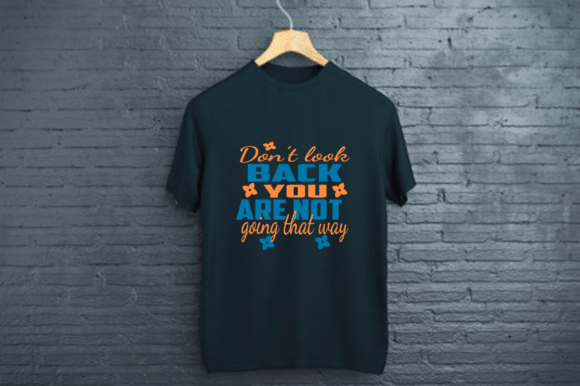
Don’t Look Back You Are Not Going That Way
As a designer who spends more time troubleshooting stitch errors than admiring finished products, I approach every new graphic with a healthy dose of skepticism. The embroidery market is saturated, and finding a design that balances aesthetic appeal with technical feasibility is rare. Recently, I evaluated the Don t Look Back You Are Not Going That concept for potential integration into my commercial workflow. This piece falls under the category of T-Shirt Designs and is classified as Graphics, which immediately raises questions about how it translates from a flat digital image to a textured, stitched reality.
The title itself carries a strong narrative weight. It suggests forward momentum, resilience, and a refusal to dwell on the past. For an embroidery project, this kind of motivational messaging resonates deeply with buyers looking for personalized gifts or statement pieces. But does the visual execution hold up? Let’s break down the practical implications of using this design in real-world scenarios.
First Impressions and Visual Personality
When you first look at Don t Look Back You Are Not Going That, the mood is immediate: bold, decisive, and slightly rebellious. The layout appears to prioritize readability, which is crucial for text-heavy embroidery designs. In my experience, intricate script fonts often fail when digitized because the thread tension cannot support delicate curves. However, this design seems to lean into a style that favors clarity over complexity.
The visual personality feels suited for casual wear and lifestyle accessories. It doesn’t scream "formal event" or "luxury boutique." Instead, it fits naturally into the realm of everyday comfort. This makes it an excellent candidate for items like hoodies, sweatshirts, and tote bags where the wearer wants to make a subtle but meaningful statement. The single-concept nature of the file means there are no distracting background elements to clutter the stitching field, allowing the message to take center stage.
Real-World Application: From Screen to Stitch
I recently tested this concept mentally for a custom order—a set of matching sweatshirts for a small team retreat. The goal was to create something cohesive that wouldn’t look cheap after a few washes. Here is how Don t Look Back You Are Not Going That performs across different product categories:
- Custom Apparel: On a heavyweight cotton hoodie, this design would anchor well. The fabric provides enough stability to handle the stitch density without puckering. It works particularly well on the back yoke or centered chest area.
- Tote Bags: Canvas totes are a staple for Etsy sellers and craft fair vendors. This graphic offers high visibility and durability. Since tote bags undergo significant stress, the simplicity of the design reduces the risk of thread breakage during use.
- Baby Embroidery: While the message is mature, the clean lines could work for nursery decor or milestone blankets if paired with softer thread colors. However, parents might prefer something less intense for infant wear.
- Applique Design Potential: If converted into an applique design, the solid shapes would allow for creative fabric choices, adding texture to the garment while maintaining the graphic’s integrity.
For digital product sellers, this digital embroidery file serves as a versatile asset. It can be used to create printable mockups for online listings, giving customers a clear preview of the finished product. The versatility allows it to fit into various niches, from corporate wellness programs to personal development workshops.
Technical Considerations and Stitch Analysis
Not all graphics translate equally well to machine embroidery. When evaluating Don t Look Back You Are Not Going That, several technical factors come into play. The most critical aspect is the stitch density. Text-based designs require careful attention to underlay stitches to prevent the fabric from distorting. If the density is too high, the result will be stiff and uncomfortable. If it is too low, the letters may look sparse or uneven.
I recommend checking the hoop size compatibility before committing to production. Large text designs can sometimes exceed standard hoop dimensions, requiring multi-hooping techniques that increase production time. Additionally, the choice of thread colors is paramount. A light gray text on a white shirt will disappear, while a black text on a black shirt lacks contrast. Testing the design in black and white mockups is a quick way to verify legibility.
Another key element is the satin stitch quality around any outlined letters. Satin stitches must be balanced to avoid ridging or looping. If the original graphic relies heavily on thin lines, converting them to running stitch or fill stitch might yield a cleaner result. Always inspect small details closely; what looks like a minor pixel gap on screen can become a significant flaw in thread form.
Where to Use It Carefully
While this design has broad appeal, there are specific contexts where it requires caution:
- Small Hoop Sizes: Attempting to fit detailed text into a 4x4 inch hoop can compromise readability. Ensure the final stitched size allows each character to breathe.
- Textured Fabrics: Materials like bouclé or heavy tweed can hide fine details. Stick to smoother fabrics like jersey, cotton, or denim for best results.
- Stretchy Fabric: Knits require a stabilizer to prevent distortion. Without proper support, the text may warp during washing.
- Curved Surfaces: Applying this to caps or hats requires careful positioning. The curve of the brim can distort straight lines, so test the placement on a sample cap first.
- Dense Stitch Areas: Avoid placing this design over existing seams or pockets, as the added bulk can cause discomfort or machine errors.
Impact on Brand and Customer Trust
In the world of handmade products, presentation is everything. A well-executed embroidery project signals professionalism and care. Using a design like Don t Look Back You Are Not Going That can enhance your brand consistency if it aligns with your shop’s aesthetic. Buyers appreciate designs that feel intentional rather than generic.
Furthermore, the inspirational nature of the quote adds emotional value. Customers are not just buying a sweatshirt; they are buying a reminder of their own strength. This connection boosts customer trust and encourages repeat purchases. For Etsy sellers and small business owners, leveraging such meaningful designs can differentiate your store in a crowded marketplace.
Practical Designer Notes
Before incorporating this embroidery project into your inventory, follow these steps:
- Test on Scrap Fabric: Always run a test stitch on the same material you plan to use. Check for puckering, thread breaks, and color accuracy.
- Check Licensing: Confirm whether you have the right to sell finished items made from this graphics file. Commercial licensing varies, and ignoring this step can lead to legal issues.
- Review Stabilizer Needs: Determine the appropriate stabilizer type (cut-away vs. tear-away) based on the fabric weight.
- Compare Backgrounds: Test the design on both light and dark fabrics to ensure maximum versatility.
- Inspect Digital Assets: If purchasing as a design assets pack, ensure the files are compatible with your digitizing software.
Ultimately, Don t Look Back You Are Not Going That is a strong contender for designers looking to add meaningful, durable, and visually appealing items to their catalog. Its straightforward message and adaptable format make it suitable for a wide range of custom apparel and personalized gift opportunities. By paying attention to the technical details and choosing the right materials, you can transform this graphic into a standout piece that customers will cherish.
Whether you are creating a craft business inventory or designing a unique holiday embroidery gift, this design offers a reliable foundation. Just remember to respect the fabric, respect the machine, and respect the artistry involved in turning pixels into thread. When done correctly, the result is not just a product—it’s a wearable piece of art that speaks volumes without saying a word.