Geometric Radial Lines Vector Design Review
As a designer who spends more time than I care to admit staring at stitch charts and debating thread tension, I approach every new asset with a healthy dose of skepticism. We have all been there: you find a freebie in the Graphics category that looks stunning in the preview window, but you are left wondering if it will actually translate well when pushed through an embroidery machine. Today, I am putting Geometric Radial Lines Vector Design under the microscope. This is not just about whether the file opens correctly; it is about how this design behaves on fabric, how it impacts your final product’s value, and whether it deserves a spot in your commercial workflow.
The First Impression: Clean Geometry Meets Modern Simplicity
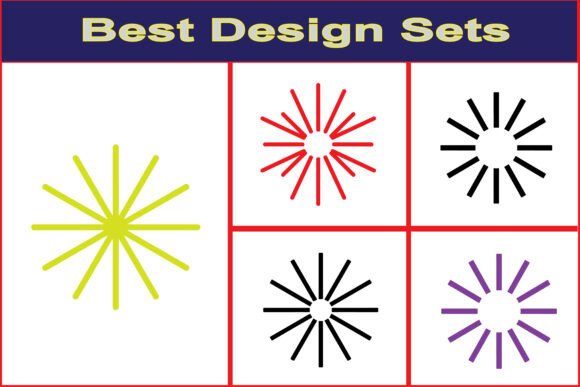
When you first load Geometric Radial Lines Vector Design, the immediate takeaway is its structural integrity. In the world of digital assets, "geometric" can sometimes mean messy or overly complex, but this vector design feels intentional. The radial layout creates a natural focal point, drawing the eye inward while maintaining a balanced perimeter. For an embroidery project, this is crucial. Unlike organic shapes that require intricate satin stitches to hold their form, radial lines rely on clean execution. It suggests a mood that is modern, minimalist, and slightly architectural. It does not scream for attention; rather, it commands respect through precision. This visual personality makes it incredibly versatile, fitting seamlessly into contemporary aesthetics that dominate current market trends on platforms like Etsy and Instagram.
Real-World Application: From Screen to Stitch
I recently evaluated this design for a hypothetical client project involving a line of custom embroidered tote bags for a local coffee roastery. The goal was to create a branded item that felt premium but not cluttered. Here is where Geometric Radial Lines Vector Design shines. When converted into a machine embroidery design, the radial pattern allows for varied stitching techniques. You could use a dense fill stitch for the center to create texture, while utilizing running stitch or simple satin lines for the radiating spokes. This versatility adds depth to the finished product, preventing it from looking flat or generic.
Consider another scenario: personalized gifts. A baby onesie or a nursery wall hanging often benefits from soft, non-aggressive patterns. The symmetry of this design provides a sense of calm and order, making it an excellent choice for baby embroidery projects. However, do not limit yourself to soft goods. Imagine this design stamped onto a heavy-duty canvas apron for a home baker, or perhaps as the central motif on a sweatshirt embroidery piece for a unisex streetwear brand. The geometric nature ensures that it scales well, whether it is a small chest logo on a cap or a large statement piece on a pillow cover. It works equally well as a standalone graphic or as part of a larger collage of design assets.
Where Caution Is Required: Fabric and Structure
While the design is visually appealing, no professional reviewer would claim that every vector translates perfectly to every surface. There are specific scenarios where Geometric Radial Lines Vector Design requires careful handling. If you plan to embroider this on stretchy fabrics like jersey knits without proper stabilization, the radial tension might cause puckering, distorting the perfect symmetry that makes the design attractive. Similarly, textured fabrics such as chunky wools or terry cloth can obscure the finer details of the lines, making the geometry look muddy rather than crisp.
Another critical consideration is hoop size. While the design is scalable, attempting to fit intricate radial details into a very small hoop can result in a loss of clarity. The lines may merge together during stitching, creating a blob instead of distinct geometric shapes. Furthermore, if you are working with dark fabric, you must carefully select your thread colors. High contrast is key here; low-contrast threads will get lost in the negative space, diminishing the impact of the radial layout. Always test on scrap fabric first to ensure the stitch density holds up against the fabric weight. For products that need frequent washing, such as kitchen towels or custom apparel, ensuring tight stitch formation is essential to prevent fraying over time.
Impact on Brand Value and Customer Trust
In the competitive landscape of handmade commerce, presentation is everything. A poorly executed embroidery job can undermine even the best product concept. Conversely, a clean, precise design like Geometric Radial Lines Vector Design signals professionalism. When a customer sees sharp lines and consistent spacing, they subconsciously associate that quality with the durability of the product itself. This builds trust and justifies a higher price point. For an Etsy seller or small shop owner, using high-quality vectors reduces the risk of returns due to dissatisfaction with print quality. It also enhances your brand consistency; a recognizable geometric style can become a signature element across different product lines, from embroidered patches to digital mockups.
Moreover, the adaptability of this design supports strong marketing strategies. Because it is a vector format, you can easily adjust the scale, rotation, or color palette to suit different seasons or themes. A warm-toned version might work beautifully for holiday embroidery gifts, while a monochrome version fits sleek corporate branding. This flexibility increases the longevity of your investment in the design, allowing you to repurpose it across multiple campaigns without feeling repetitive.
Practical Designer Notes for Implementation
To get the most out of Geometric Radial Lines Vector Design, follow these practical steps before committing to production:
- Test on Scrap Fabric: Never assume a design will behave predictably. Run a test stitch on the exact fabric type you intend to use to check for tension issues or distortion.
- Review Stitch Density: Ensure the software settings match the fabric weight. Too much density on light fabric will cause stiffness; too little on heavy fabric may lead to gaps.
- Check Thread Contrast: Use black-and-white mockups to verify that the radial lines remain distinct against your chosen background color.
- Inspect Small Details: Zoom in on the vector paths to ensure no overlapping nodes exist that could cause stitching errors.
- Confirm Licensing: Although this is listed as a freebie, always double-check the terms regarding commercial use if you plan to sell finished items.
- Use Proper Stabilizer: Choose a stabilizer that complements the fabric’s drape to maintain the geometric integrity during stitching.
By approaching Geometric Radial Lines Vector Design with these considerations in mind, you transform a simple digital file into a polished, market-ready handmade product. It is a testament to the fact that good design is not just about aesthetics, but about understanding the mechanics of creation. Whether you are creating a one-off personalized gift or scaling up for a craft business, this design offers a reliable foundation for professional results.