Review: Legendary Sublimation Football Design for Embroidery
As a designer who spends half the day staring at screen pixels and the other half troubleshooting stitch errors on the embroidery machine, I have learned to be skeptical of any file that promises "legendary" status. In the world of digital assets, especially those categorized under Illustrations and Graphics, there is often a massive gap between how a design looks in a high-resolution preview and how it translates to thread on fabric. Today, I am putting Legendary Sublimation Football Design through its paces. This isn't just about looking at a pretty picture; it is about evaluating whether this embroidery project has the structural integrity to survive real-world use, client expectations, and the harsh reality of a sewing machine needle.
The First Impression: Visual Personality and Theme
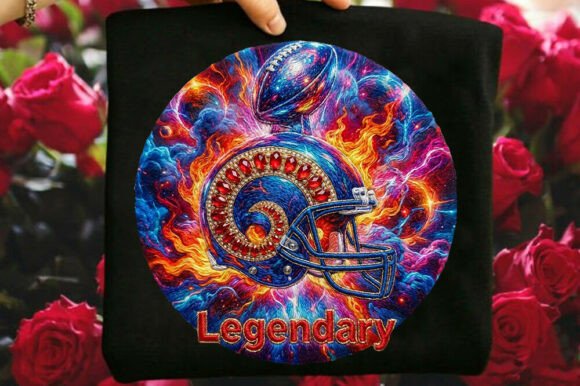
When you first load Legendary Sublimation Football Design into your digitizing software or view it as a digital embroidery file, the immediate takeaway is its bold, graphic nature. The title suggests a connection to sublimation printing—a technique known for vibrant, all-over color saturation—but here we are dealing with thread. The design carries a strong sports aesthetic, likely featuring dynamic lines, classic football motifs, or stylized typography that screams athletic energy. For an Etsy seller or a craft business owner, this visual personality is a double-edged sword. It is highly recognizable, which aids in brand consistency, but it requires careful handling to avoid looking cluttered when translated into stitches.
The layout feels balanced, suggesting that the artist intended this to be a central focal point rather than a subtle accent. This makes it perfect for custom apparel like back-print style sweatshirts or large chest logos. However, because it is derived from a graphic illustration background, one must ask: does it hold up when stripped of its digital glow? The answer lies in the details. The design appears to rely on strong shapes rather than delicate, hair-thin lines, which is a smart move for machine embroidery design files. If the original illustration relied on gradients or tiny textures, those would need to be simplified during the digitizing process to ensure clarity.
Real-World Application: From Screen to Stitch
Let’s imagine a specific scenario. You are preparing for the upcoming holiday season or a major football game weekend. You want to create a limited run of personalized gifts for local fans. You decide to use Legendary Sublimation Football Design on a heavy cotton canvas tote bag design or a thick fleece sweatshirt embroidery. This is where the true test begins.
In my experience, designs with this level of graphical weight perform exceptionally well on structured fabrics. The stability of a tote bag or a sweatshirt cuff provides the necessary foundation to support the stitch density required to replicate the graphic's impact. When stitched correctly, the design will pop against the fabric texture, creating a tactile experience that customers love. It transforms a simple product into a statement piece. For a small shop product, this elevation in perceived value is crucial. Buyers are not just purchasing a bag or a shirt; they are buying a piece of fan culture that feels premium and professionally made.
Furthermore, this design lends itself beautifully to personalized gift markets. Imagine adding a player’s name or a team slogan using a clean satin stitch font alongside the main graphic. The combination of the iconic football imagery and custom text creates a high-engagement item that performs well in printable mockups and actual sales listings. It bridges the gap between generic merchandise and bespoke craftsmanship, allowing creative entrepreneurs to charge a premium price point.
Where Caution Is Required: Technical Limitations
However, no design is perfect, and Legendary Sublimation Football Design is no exception. There are specific contexts where this file might struggle if not handled with expertise. One of the primary concerns is the translation of graphic details into thread. If the original illustration contains intricate patterns or very small text, these elements may become muddy or lose definition when stitched. This is particularly risky on curved surfaces like caps or hats, where fabric tension can distort fine details.
I strongly advise against using this design on thin or stretchy fabrics without proper stabilization. The weight of the threads required to fill the graphic areas could cause puckering or warping on lightweight jersey knits unless a heavy-duty cut-away stabilizer is used. Additionally, on dark fabrics, the contrast of the thread colors becomes paramount. If the design relies on subtle shading, it may disappear against a black background. Always test the thread colors against the actual fabric swatch before committing to a production run.
Another area of concern is the hoop size. While the description mentions a high-resolution PNG (4500×5400), the actual embroidered dimensions must fit within your machine’s capabilities. Attempting to force a large graphic into a small hoop can result in lost detail or excessive trimming. Ensure that the final digitized version fits comfortably within your standard hoop sizes, leaving enough margin for secure stitching. If the design includes dense fill stitch areas, check that the underlying structure is robust enough to prevent thread breaks or bird’s nests.
Practical Designer Notes for Success
- Test on Scrap Fabric: Never assume the design will look good on the final product. Stitch it out on the exact type of fabric you plan to sell. Check for distortion, thread tension issues, and overall visual balance.
- Review Stitch Density: High-density graphics can feel stiff and plastic-like after stitching. Consider reducing the density slightly to maintain fabric drape, especially for wearable items like baby embroidery projects where comfort is key.
- Inspect Small Details: Zoom in on the digitized file. Are there any overlapping stitches that might cause confusion? Are the edges clean? Use a running stitch for finer outlines if the fill stitch is too heavy.
- Check Licensing: Before selling finished products or offering this as a commercial embroidery service, verify the license terms. Many graphic-based designs come with restrictions on commercial use. Ensure you have the right to sell the physical items created with this file.
- Compare Backgrounds: Test the design on both light and dark backgrounds. A design that looks legendary on white might look flat on navy blue. Adjust your thread palette accordingly to maximize contrast and visual appeal.
Final Verdict: Is It Worth It?
Ultimately, Legendary Sublimation Football Design is a strong candidate for designers looking to add high-impact sports-themed items to their inventory. Its bold aesthetic aligns perfectly with current trends in handmade product customization, particularly for holiday embroidery and fan gear. However, success depends entirely on your digitizing skills and attention to technical detail. It is not a "plug-and-play" solution for beginners who lack experience with stabilizer selection or tension adjustment.
If you are an experienced embroiderer comfortable manipulating complex files, this design offers excellent potential for creating best-selling finished product lines. It captures attention, conveys quality, and resonates with target audiences. But remember, the file is only as good as the execution. Treat it with respect, test it thoroughly, and always prioritize the finish quality over speed. When done right, this design can elevate your craft business and leave customers impressed by the professionalism of your work.