St Patrick Icon Clipart Review for Embroidery
When I first opened the folder labeled St Patrick Icon Clipart, I wasn't looking for a generic holiday graphic to slap on a digital flyer. As someone who spends their days translating vector lines into thread, I was immediately assessing its viability for a real-world embroidery project. The description promised simple line art icons depicting St Patrick's Day symbols, intended for party invitations and craft cut files. But can playful line art translate effectively from a screen to a needle? After running through a few mental simulations of how this design would perform in a hoop, I have some practical insights for designers, Etsy sellers, and small business owners considering this asset.
The First Impression: Simplicity Meets Stitchability
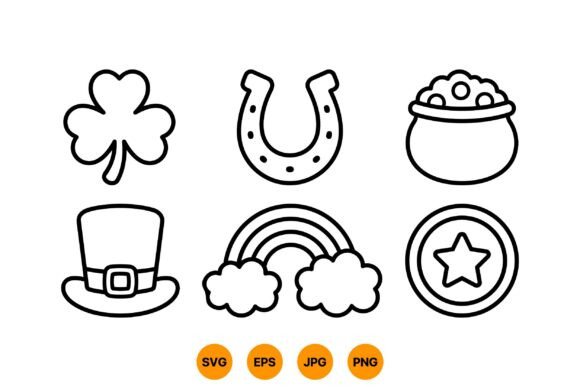
The initial visual personality of St Patrick Icon Clipart is distinctively clean. In the world of machine embroidery, simplicity is often a double-edged sword. Too much detail gets lost in the fabric texture, while too little can look unfinished. This set of illustrations strikes a balance that feels right for commercial handmade goods. The line art style suggests a modern, playful vibe that fits perfectly with current trends in boutique branding and nursery decor.
Unlike dense, traditional embroidery designs that rely on heavy fill stitches to create shape, these graphics lean on outlines. This implies they will likely utilize satin stitch for borders and perhaps running stitches for finer details. For an embroiderer, this is promising because it reduces the risk of puckering on delicate fabrics like baby clothes or lightweight aprons. The "playful" nature mentioned in the product description translates well to items like tote bags and sweatshirts where a fun, approachable aesthetic is desired over formal elegance.
Real-World Application: From Digital File to Finished Product
Let's imagine a specific scenario. You are preparing inventory for a local craft fair next month. You need a cohesive collection of St Patrick's Day merchandise for your shop. You decide to use this embroidery file to create custom embroidered patches for denim jackets and embroidered motifs on linen tea towels. How does St Patrick Icon Clipart hold up here?
For the denim jackets, the clean lines would stand out beautifully against the textured weave of the fabric. The iconography—likely shamrocks, pots of gold, or leprechaun hats—would serve as excellent focal points without overwhelming the garment. When stitched onto a tea towel, the design would offer a crisp, professional look that elevates the perceived value of the item. Customers buying a handmade kitchen towel expect precision; the clear definition of these graphics ensures the finished product looks intentional and high-quality rather than mass-produced.
I also see potential for baby embroidery. The soft, rounded nature of simple line art is ideal for baby onesies or bibs. There is no harshness in the shapes, which makes them safe and visually gentle for infant apparel. If you are an Etsy seller looking to list personalized gifts, this design allows for customization without getting bogged down in technical stitching issues. A customer might request a name added to the design, and the open space around these simple icons provides ample room for lettering without creating a cluttered mess.
Where Caution Is Required
While the design has strong potential, there are specific scenarios where St Patrick Icon Clipart requires careful handling. Not every fabric behaves the same way under the presser foot. If you attempt to stitch this on a stretchy jersey knit without proper stabilizer, the tension of the satin stitch could distort the fabric, ruining the clean lines you worked so hard to achieve. Similarly, dark fabrics present a challenge. If the line art relies on thin white threads for contrast, you may find the visibility lacking unless you use a high-density underlay or a specific thread type designed for dark backgrounds.
Small hoop sizes are another area of concern. While the icons are described as simple, if the original vector includes tiny decorative corners or intricate details within the line work, reducing the size for a small cap or a child's hat might cause those details to merge together during stitching. Dense stitch areas can also be tricky; if the designer intended for the lines to be very thick, it might create a stiff feel on a pillow cover or a soft baby blanket. Always inspect the small details before committing to a large production run.
Visual Appeal and Customer Trust
In the competitive landscape of handmade products, presentation is everything. Using a coherent set of graphics like this helps establish brand consistency. When a customer sees a matching set of embroidered items—a tote bag, a patch, and a sticker sheet—all featuring the same clean, playful aesthetic, it builds trust. It signals that the creator cares about the overall look and feel of their brand.
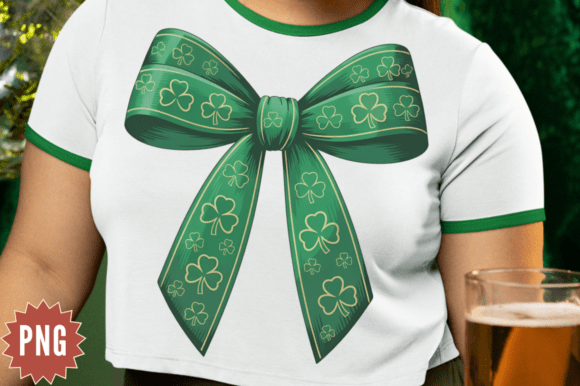
The versatility of the download package, which includes SVG, PNG, JPG, and EPS files, adds significant value. Even though we are focusing on embroidery, having the raster formats (PNG, JPG) allows you to create printable mockups for your online store listings. You can visualize the embroidery project on a white t-shirt or a green apron before you ever touch the fabric. This ability to preview the final product helps manage customer expectations and reduces returns due to mismatched visions.
Practical Designer Notes for Success
Before you load this design into your machine, there are several steps every experienced designer takes to ensure success. First and foremost, always test the design on scrap fabric. This is non-negotiable. You need to verify how the thread colors interact with your specific fabric choice. Does the green thread pop enough against a beige background? Does the black outline disappear on a navy shirt?
Review the stitch density carefully. Since the source material is line art, the conversion to embroidery might require adjustments. You may need to manually tweak the stitch settings to ensure the satin stitches lay flat and don't gap. Confirm your hoop size matches the intended output; if you plan to make a small patch, ensure the design fits comfortably within your smallest hoop dimensions. Check whether the design works for both personal and commercial projects by reviewing the licensing terms provided with the ZIP folder.
If you are using this for commercial embroidery or selling finished items, confirm the license allows for resale. Some digital assets are for personal use only. Additionally, compare light and dark fabric backgrounds in your mockups. Sometimes a design that looks perfect on a white screen fails miserably on a colored textile. Use proper stabilizer to support the fabric, especially if you are working with textured materials or thin fabrics that are prone to shifting.
Final Thoughts on the Design Asset
St Patrick Icon Clipart offers a solid foundation for a variety of embroidery projects. Its strength lies in its adaptability. Whether you are crafting a holiday gift for a family member, producing a limited edition run of boutique products, or updating your Etsy listings with fresh imagery, this design provides the necessary visual identity without the technical headaches associated with overly complex patterns. It is a smart choice for anyone looking to add a touch of festive charm to their handmade catalog.
By treating this as more than just a picture and approaching it as a technical blueprint for stitching, you can maximize its potential. The key is preparation: test, adjust, and stabilize. With the right approach, these simple line art icons can transform into beautiful, durable, and market-ready pieces that customers will love. For the creative entrepreneur, this is exactly the kind of versatile design asset that saves time and elevates the quality of the final product.