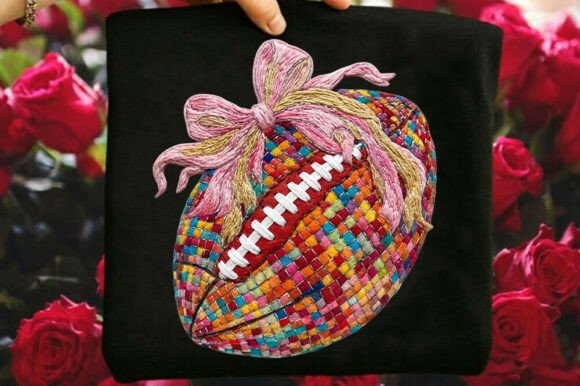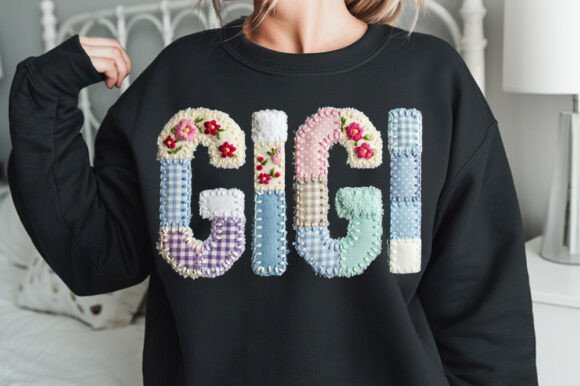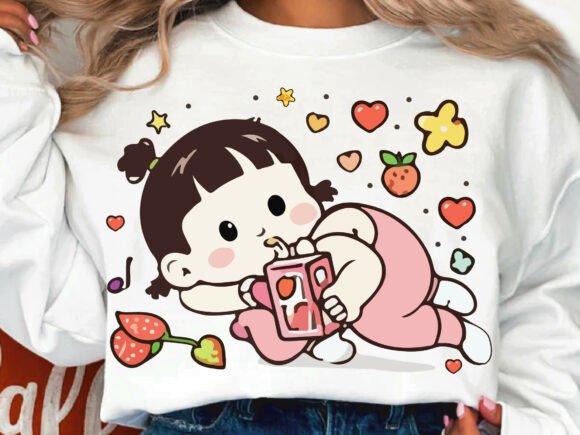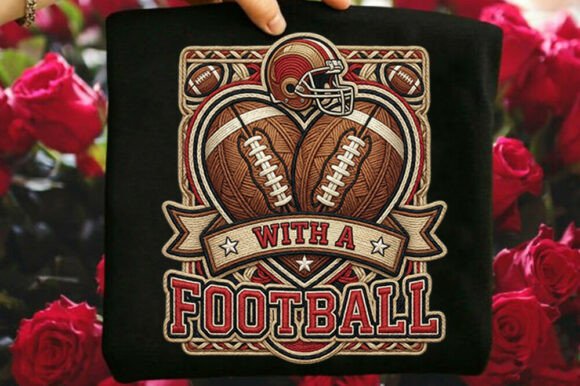
Xoxo Autism Awareness T-Shirt Designs
As a designer who spends half the day in digitizing software and the other half troubleshooting tension issues on an embroidery machine, I don’t just look at a design file; I look at how it will behave under the needle. When evaluating Xoxo Autism Awareness T-Shirt Designs, my primary focus is always on practical application. This isn't just about whether the graphic looks good on a screen; it is about whether it translates into a high-quality, durable, and emotionally resonant handmade product that stands out in a crowded marketplace.
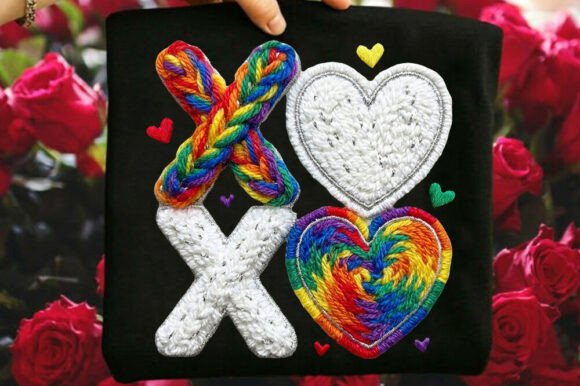
The concept of autism awareness has been saturated in the craft world, so finding a design that feels fresh yet familiar is a delicate balance. The visual personality of this specific asset leans heavily into warmth and connection. The "Xoxo" motif suggests affection, making it particularly suitable for gifts, family-oriented merchandise, and personal items where emotional value outweighs purely aesthetic considerations. It creates a mood of support and love, which is exactly what buyers are often seeking when they purchase apparel or decor related to neurodiversity.
Real-World Application: From Screen to Stitch
To truly understand the utility of this embroidery project, we have to move beyond the digital preview and imagine the finished product. Let’s take a realistic scenario: preparing a batch of custom embroidered tote bags for a local craft fair or an Etsy shop listing aimed at parents of autistic children. In this context, the design needs to be legible from a distance but detailed enough to reward a closer look.
Xoxo Autism Awareness T-Shirt Designs offers a layout that works exceptionally well for medium-sized placements. Whether you are stitching this onto the front of a cotton canvas tote bag or centering it on the chest of a crewneck sweatshirt, the composition holds its own. The shape is generally clean, which means fewer thread breaks and a smoother run time for the machine. For an Etsy seller or small business owner, efficiency matters. A design that stitches cleanly without excessive trimming or re-hooping allows for higher production volumes and better profit margins.
I also see strong potential here for baby embroidery projects. The soft, rounded nature of the "xoxo" elements makes it ideal for onesies, burp cloths, or nursery wall hangings. When applied to baby items, the visual appeal is heightened because the audience is looking for tenderness. The design’s ability to convey care through simple shapes makes it a powerful tool for personalized gift creation. It transforms a standard piece of clothing into a meaningful keepsake.
Technical Considerations for Embroidery Designers
While the artistic merit is clear, the technical execution is where many designs fail. Here is how I break down the performance of this file for real-life scenarios.
- Stitch Density and Clarity: The success of any machine embroidery design relies on proper stitch density. If the fill stitch areas are too dense, the fabric will pucker, especially on lightweight materials like t-shirts or thin jersey knits. Conversely, if the density is too low, the underlying fabric may show through, ruining the professional look. You must inspect the small details closely. Are there tiny text elements or intricate curves that might get lost? If the design relies on fine lines, ensure your hoop size is large enough to maintain stability during those delicate runs.
- Thread Color Contrast: The visual impact of this design is heavily dependent on thread selection. Because it is an illustrations-based graphic, the contrast between the thread and the base fabric is critical. On dark fabrics, you will need light or metallic threads to make the "xoxo" elements pop. On light fabrics, darker threads provide a sharp, modern look. Always test your thread colors against your actual fabric swatches before committing to a full production run. What looks vibrant on a monitor can appear muddy under natural light.
- Hoop Size and Stability: Before loading this into your machine, confirm the required hoop size. If the design exceeds your machine’s maximum hoop dimensions, you will need to use multi-hooping techniques, which increases the risk of alignment errors. For products like caps or curved surfaces, ensure the design is scaled appropriately. A design meant for a flat chest panel might look distorted if forced onto the curved brim of a hat without careful resizing.
- Fabric Texture Compatibility: This design shines on smooth fabrics like cotton, polyester blends, and denim. However, caution is advised with highly textured fabrics like heavy waffle knit or boucle. The irregular surface can cause the needle to deflect, leading to misaligned stitches. Similarly, stretchy fabrics require a stable stabilizer to prevent distortion. Using the wrong stabilizer can turn a beautiful design into a wrinkled mess.
Where to Use Carefully
There are specific situations where Xoxo Autism Awareness T-Shirt Designs requires extra attention. Avoid using this on very small hoop sizes unless the detail level is minimal. Tiny lettering or complex interlocking shapes can become illegible blobs if stitched too small. Additionally, be cautious with decorative accents that rely on single-color outlines; these can be prone to snagging if not properly anchored.
If you are planning to sell these items as part of your craft business or small shop product line, consider the end-user experience. Products that will undergo frequent washing, such as baby clothes or kitchen towels, need robust stitching. Ensure the design does not have long floating stitches that could unravel over time. The goal is to create a finished product that maintains its integrity and beauty wash after wash.
Brand Consistency and Customer Trust
In the world of handmade goods, presentation is everything. A well-executed embroidery design signals professionalism and care. When customers see a crisp, clean stitch job on a tote bag design or a sweatshirt embroidery piece, it builds trust in your brand. They assume that if you took the time to perfect the stitch placement, you likely took care in sourcing materials and packaging as well.
This design’s theme also plays a role in buyer engagement. Autism awareness is a topic close to many hearts. By offering a tasteful, well-stitched representation of this cause, you are not just selling a shirt; you are offering a way for people to express their support. This emotional connection can drive sales and foster loyalty. However, it is crucial to ensure the design respects the community it represents. The "xoxo" style is generally inclusive and warm, avoiding overly clinical or stereotypical imagery, which helps maintain a positive brand image.
Final Verdict for Creative Entrepreneurs
For designers, digital embroidery file assets like Xoxo Autism Awareness T-Shirt Designs are valuable tools when used correctly. They save time and allow for rapid prototyping of new product lines. Whether you are creating commercial embroidery pieces for clients or designing your own holiday embroidery collections, this file provides a solid foundation.
Remember to always test the design on scrap fabric first. Check the stitch density, review the running stitch paths for potential puckering, and confirm that the applique design elements (if applicable) align perfectly. Inspect small details under magnification to ensure they will hold up in real-world use. Compare light and dark fabric backgrounds to choose the most striking color combination.
Ultimately, the success of this design lies in your hands. It offers a versatile, emotionally resonant graphic that can elevate a simple garment into a meaningful statement piece. By paying attention to the technical details—hoop size, stabilizer choice, and thread quality—you can transform this digital asset into a stunning physical reality that customers will cherish. For the savvy Etsy seller or creative entrepreneur, this is a smart addition to your library of design assets.