Be You Retro Vintage T-shirt Design Png Review
As a designer who spends half my day staring at stitch density charts and the other half worrying about how thread tension affects small business margins, I don’t just look at a design file. I look at its potential. When I first pulled up Be You Retro Vintage T-shirt Design Png, my immediate reaction wasn’t just aesthetic appreciation; it was logistical assessment. Can this actually be stitched? Will it hold up after ten washes? Does it scream "professional boutique" or "quick craft fair impulse buy"?
This review is for the makers, the Etsy sellers, and the embroidery enthusiasts who need to know if this graphic is worth their time and thread. We are going to strip away the marketing fluff and look at this as a practical tool for your machine.
First Impressions: Mood and Visual Personality
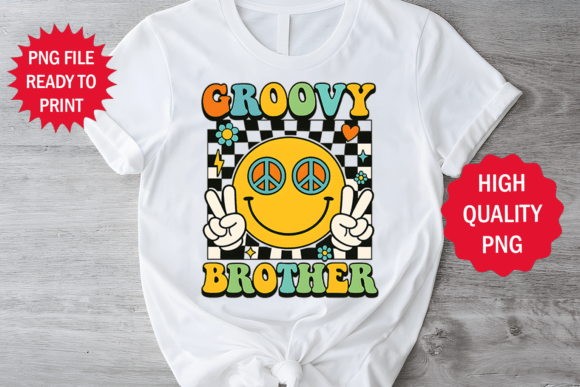
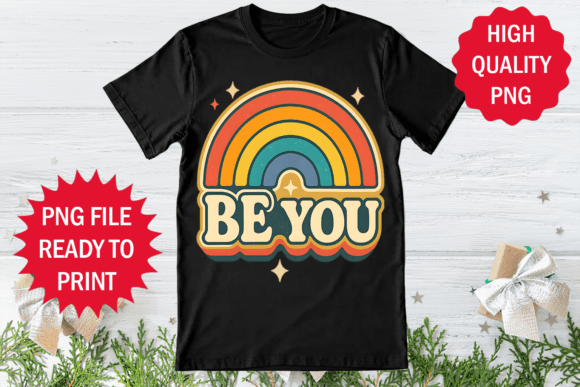
The title says "Retro," but in the world of embroidery, retro can mean anything from subtle vintage distressing to loud, chaotic 70s psychedelic patterns. The Be You Retro Vintage T-shirt Design Png lands squarely in the trendy, colorful graphic zone. It has that specific energy that works incredibly well for custom apparel because it feels personal yet polished.
Visually, the layout is bold. This isn’t a delicate floral vine that requires a magnifying glass to appreciate. It’s a statement piece. For an embroidery project, this means you aren’t fighting against tiny details that might get lost in the fabric weave. The "Colorful Graphic" aspect suggests a design that relies on strong color blocking rather than intricate shading. This is a huge plus for machine embroidery, where complex gradients often turn into muddy blobs unless you have a high-end multi-head machine and a lot of patience.
Real-World Application: Where This Design Shines
I put myself in the shoes of a small shop owner preparing inventory. If I were building a collection around self-expression and individuality, this design would be a cornerstone. Here is how I see it performing in real-life scenarios:
- Sweatshirt Embroidery: This is arguably the best use case. A heavyweight cotton sweatshirt provides the perfect stable base for a bold graphic. The retro vibe pairs naturally with oversized fits, creating a product that looks like it came from a curated boutique rather than a big-box store.
- Tote Bag Design: Canvas totes are a staple for any craft business. Because this design is likely centered and balanced, it translates beautifully to a tote. It adds value to a simple bag, turning it into a branded accessory that customers want to carry around, effectively acting as mobile advertising for your shop.
- Caps and Hats: Structured caps offer a curved surface that can challenge some designs, but a graphic with strong outlines usually holds up well. If you are doing embroidered patches or direct-to-garment style embroidery on hats, this design’s clarity ensures it remains recognizable even from a distance.
- Baby Embroidery: While "retro" might sound tough for baby items, modern parents love nostalgic aesthetics. Imagine this design on a soft muslin onesie or a nursery wall hanging. The "Be You" message resonates deeply with new parents, making it a highly giftable item for baby showers.
- Aprons and Kitchen Towels: For the home decor angle, this design brings personality to the kitchen. A denim apron featuring this graphic could be a fantastic holiday embroidery gift. It bridges the gap between functional household item and decorative art.
The Technical Reality Check: Stitch Density and Fabric Texture
Here is where we get practical. A pretty PNG doesn't always translate to a clean stitch-out. When evaluating this as a machine embroidery design, we have to think about the underlying structure.
If this design utilizes heavy fill stitch areas, you need to ensure your stabilizer matches the fabric weight. On stretchy knits, like t-shirts, a cut-away stabilizer is non-negotiable to prevent puckering. If the design includes satin stitch borders, check the width. Too narrow, and the edges won't cover the fabric underneath; too wide, and it might look bulky on lightweight materials.
Thread color contrast is critical here. Since the source is a colorful graphic, you will likely need multiple thread colors to capture the full effect. However, if you are working with a single-color approach (like white thread on dark fabric), the design must have enough negative space to breathe. Otherwise, it becomes a solid block of texture that loses its detail. Always test your thread colors against your actual fabric swatch before committing to a full production run.
Where to Use This Design Carefully
No design is universal. There are specific situations where Be You Retro Vintage T-shirt Design Png might struggle:
- Small Hoop Sizes: If you are trying to cram this into a 4x4 hoop, you might lose essential details. Ensure your hoop size allows for the full scale of the graphic without excessive digitizing compromises.
- Textured Fabrics: Avoid using this on heavily textured fabrics like bouclé or thick chenille. The irregular surface will interfere with the needle penetration, leading to skipped stitches and uneven coverage.
- Dense Stitch Areas on Thin Fabric: If you attempt this on thin rayon or silk without proper support, the fabric will pucker severely. This design looks best on medium-to-heavy weight fabrics that can support the tension of the threads.
- Curved Surfaces on Delicate Items: While caps work, delicate scarves or sheer curtains might not hold the structure required for this type of bold graphic. The weight of the embroidery could distort the drape of the fabric.
Impact on Product Value and Brand Consistency
For the Etsy seller or small shop product creator, perception is everything. A well-executed embroidery project signals quality. When a customer receives a hoodie with a crisp, vibrant version of this design, they perceive higher value than they would with a cheap print.
The "Vintage" aesthetic also plays into current trends. Consumers are drawn to products that feel authentic and timeless. By offering this as a handmade product, you are tapping into that desire for uniqueness. It differentiates your commercial embroidery offerings from mass-produced alternatives.
Furthermore, consider the printable mockup potential. Even if you sell digital files, having a strong visual like this allows you to create compelling previews. Show the design on a variety of backgrounds—light, dark, neutral—to demonstrate its versatility. This helps buyers visualize the finished product in their own lives, increasing conversion rates.
Practical Designer Notes Before You Start
Before you load your bobbin, follow these steps to ensure success:
- Test on Scrap Fabric: Never go straight to the final garment. Stitch out the design on a scrap piece of the same fabric and stabilizer combination you plan to use. This reveals issues with tension, thread breakage, or fabric distortion early.
- Check Black and White Mockups: Convert your design preview to grayscale. Does the composition still hold together? If the design relies solely on color to distinguish elements, it might fall apart when stitched in monochrome.
- Inspect Small Details: Zoom in on the original file. Are there tiny lines or dots that might disappear during stitching? If so, you may need to simplify the design digitally before converting it to an embroidery file.
- Confirm Licensing: As a Freebies category item, always double-check the license terms. Can you sell the finished physical items? Can you use it in digital bundles? Clarifying this protects your craft business from legal issues.
- Use Proper Stabilizer: Match your stabilizer to your fabric. Heavy cut-away for knits, tear-away for wovens (if stable), and water-soluble for tricky applications. The right stabilizer makes the difference between a professional finish and a messy one.
In conclusion, Be You Retro Vintage T-shirt Design Png is a versatile asset for any embroiderer looking to add personality to their creations. It balances trendiness with structural simplicity, making it suitable for a wide range of projects from apparel to home decor. Just remember: good design starts with good preparation. Test thoroughly, choose your materials wisely, and let your craftsmanship shine through the final stitch.