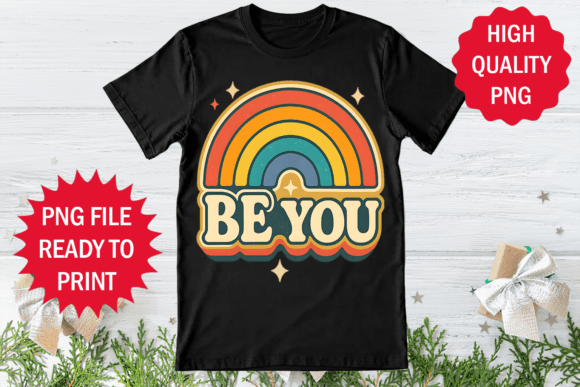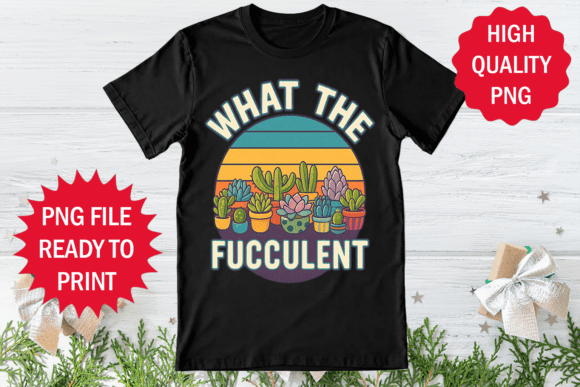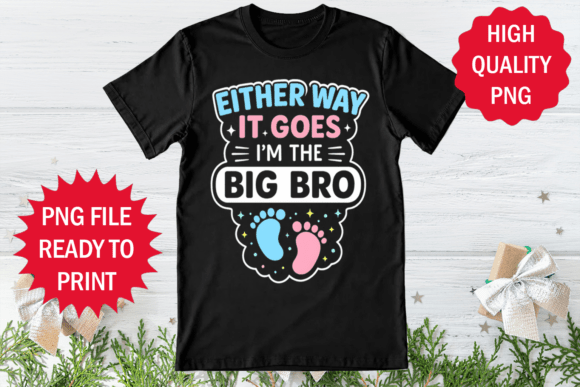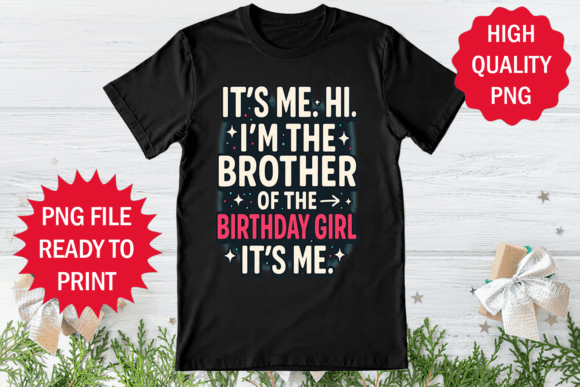
Vintage Retro Style Design for Brother Review
I have stitched thousands of designs in my time, from intricate floral motifs to bold corporate logos. When I first opened the Vintage Retro Style Design for Brother, I didn't just see a collection of graphics; I saw a specific mood. It carries that warm, nostalgic energy that has been dominating the craft market for the last few years. As someone who reviews these assets for real-world application, my goal is to tell you exactly how this piece behaves when it leaves the screen and hits the fabric.
This isn't just another generic download. The design feels curated for those of us who build brands around handmade aesthetics. Whether you are an Etsy seller looking to refresh your shop or a hobbyist preparing a personalized gift, the visual personality of Vintage Retro Style Design for Brother stands out immediately. It strikes a balance between playful and professional, making it versatile enough for everything from a baby onesie to a boutique tote bag.
First Impressions: Mood and Visual Personality
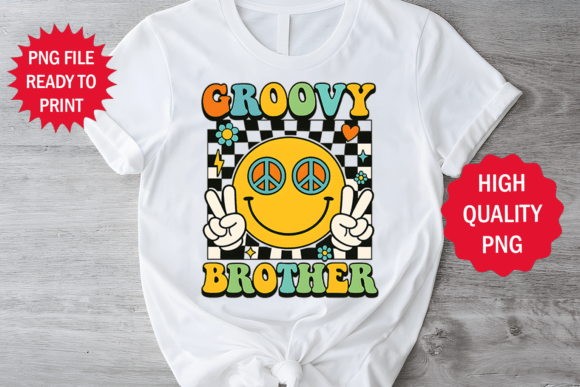
The moment you preview the file, the retro theme jumps out. It doesn't rely on clichés but uses color palettes and shapes that evoke a sense of comfort and authenticity. For an embroidery designer, the layout is crucial. Does it feel balanced? Can the eye travel through the design naturally? With Vintage Retro Style Design for Brother, the answer is yes. The composition suggests movement without feeling chaotic.
I often find that "retro" designs can look dated if the stitch density is too high or the lines are too thin. However, this design seems to anticipate the limitations of machine embroidery. The graphic nature of the artwork translates well into thread. It feels like it belongs on a canvas that needs character—a sweatshirt, a sturdy apron, or a thick cotton tote bag. It creates a vibe that says "crafted with care," which is exactly what customers want when they buy handmade products.
Real-World Application: From Screen to Stitch
Let's talk about where this actually shines. Imagine you are prepping for a holiday market. You need a quick way to add value to a plain item. I took a look at how Vintage Retro Style Design for Brother would perform on a custom embroidered tote bag. The design's bold lines would anchor the heavy canvas fabric beautifully. It wouldn't get lost in the weave, and the colors would pop against the natural or dyed tones of the bag.
Now, consider a different scenario. You are a small business owner creating a line of baby items. This design could be adapted for a nursery pillow cover or a soft baby blanket. The retro style adds a touch of whimsy that parents love. It moves beyond simple monograms and offers a complete graphic statement. If you are selling digital product previews, this asset serves as a fantastic printable mockup element because it looks cohesive even in a digital format before the final stitch.
For apparel decorators working on hoodies or caps, the versatility is key. A cap requires a design that curves well and fits within a limited hoop size. While the full graphic might be better suited for a flat surface like a shirt or banner, the core elements of Vintage Retro Style Design for Brother could likely be resized for a patch or a chest logo. The design assets provided here offer a solid foundation for commercial embroidery projects where consistency matters.
Where to Exercise Caution
Not every project is a perfect match, and as a reviewer, I must point out the areas where this design might struggle. Embroidery is unforgiving with detail. If you attempt to use this design on a very small hoop size, you risk losing the finer details of the retro graphics. Tiny lettering or delicate corners might not hold up well under the tension of the needle, leading to puckering or a muddy appearance.
Fabric texture is another critical factor. On thin or stretchy fabrics, such as a lightweight t-shirt or a silky scarf, this design could cause distortion. The weight of the stitches might pull the fabric out of shape, ruining the drape of the garment. Similarly, if you are working on dark fabric, the thread contrast becomes a major issue. Without proper underlay or specific thread choices, the colors might not register clearly, diminishing the visual appeal of the finished product.
Curved surfaces like baseball caps present their own challenges. While many designs claim to work on hats, the geometry of Vintage Retro Style Design for Brother might require significant resizing to fit the curved panel without bunching. If you are planning to sell these as part of a craft business, ensure you test the design on the actual material you intend to use before mass-producing.
Impact on Brand and Customer Trust
In the world of handmade goods, presentation is everything. A poorly executed stitch job can make a $50 item look like a $10 knockoff. Vintage Retro Style Design for Brother supports brand consistency by offering a clean, recognizable look. When a customer receives a personalized gift or a boutique product featuring this design, they perceive a level of professionalism. The design elevates the perceived value of the item.
Furthermore, the nostalgic theme fosters an emotional connection. People buy vintage-style items because they resonate with a feeling of warmth and history. By using this embroidery file, you are tapping into that sentiment. It helps with buyer engagement because the design tells a story before the customer even reads the tag. It transforms a standard commodity into a unique piece of art.
Practical Designer Notes for Success
Before you hit the start button on your machine, there are a few steps every experienced designer takes. First, always test the design on scrap fabric. This allows you to check the thread color contrast and review the stitch density. You want to ensure that the fill stitches are not so dense that they create a stiff, board-like texture on a soft garment.
Confirm your hoop size relative to the design dimensions. If the design is large, you may need a multi-hooping strategy, which increases the risk of alignment issues. Inspect the small details closely; if you see any potential weak points, consider adjusting the digitizing settings or simplifying the design slightly. It is also wise to test the design in black and white mockups to see how the contrast holds up without the distraction of color.
Don't forget the stabilizer. Using the wrong type of backing can lead to tears or poor registration, especially on stretchy materials. Check whether the design works for both personal and commercial projects, as licensing terms vary. Finally, confirm the file formats and machine compatibility. If the description does not explicitly state the stitch count or specific file types, assume you will need to do some prep work or consult the manufacturer's guidelines.
Ultimately, Vintage Retro Style Design for Brother is a strong contender for anyone looking to add a touch of retro charm to their embroidery projects. It is practical, visually appealing, and ready for the rigors of production. Whether you are crafting a one-off gift or building a catalog of small shop products, this design provides a reliable tool for creative entrepreneurs. Just remember that the success of the final product lies in the preparation and the care taken during the stitching process.