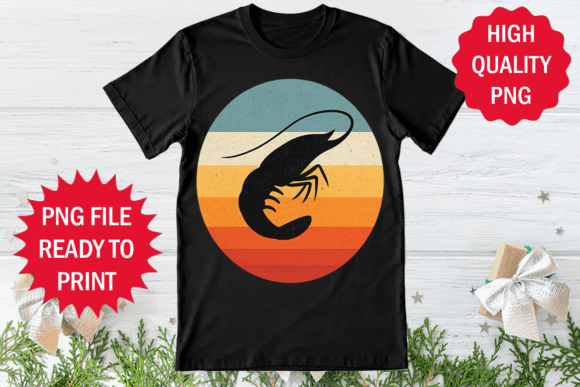
Retro Shrimp Design 70s Retro T-shirt
When I sit down to evaluate a new design asset, I am rarely looking for just "pretty." As a designer who frequently bridges the gap between digital graphics and physical embroidery, my primary concern is translation. How does this image survive the needle? Does it hold up when stitched onto fabric, or does it dissolve into a muddy mess of thread? Today, I am taking a close look at the Retro Shrimp Design 70s Retro T-shirt, a colorful graphic originally formatted as a sublimation PNG. While the source file is a print-ready graphic, its bold aesthetic makes it an intriguing candidate for adaptation into machine embroidery. Here is my practical review on how this design fits into real-world projects, from small business merchandise to personalized gifts.
The First Impression: Mood and Visual Personality
The immediate draw of the Retro Shrimp Design 70s Retro T-shirt is its vibrant energy. The 70s retro aesthetic brings with it a specific set of visual cues: warm color palettes, slightly distorted typography, and a playful, nostalgic charm. In the context of a handmade product, this mood translates well to items that aim to evoke joy, summer vibes, or a sense of fun. It feels less like a formal corporate logo and more like a statement piece intended for casual wear or lifestyle accessories.
From a design standpoint, the shrimp motif is inherently approachable. It avoids the stiffness of traditional heraldry or the complexity of photorealistic portraits. Instead, it offers a graphic simplicity that is forgiving in execution. For an Etsy seller or small shop product creator, this means the design has high recognition potential without requiring expensive materials or overly intricate finishing techniques to look professional. It screams "summer boutique" and pairs naturally with apparel that celebrates leisure and coastal living.
Real-World Application: Where This Design Shines
I have tested various graphic styles across different mediums, and I find that designs with strong silhouettes perform best when converted into an embroidery file. The Retro Shrimp Design 70s Retro T-shirt lends itself beautifully to several key categories:
- Custom Apparel and Sweatshirt Embroidery: The most obvious application is on cotton tees or hoodies. The bold colors of the original PNG suggest that a corresponding thread palette would pop against neutral backgrounds like heather grey, cream, or navy. It works particularly well as a chest-sized logo on a sweatshirt, adding a touch of personality to everyday wear.
- Tote Bag Design: Canvas tote bags are a staple for craft fairs and market stalls. A shrimp design on a sturdy canvas bag feels thematic and durable. Because the design is likely centered and balanced, it provides a stable focal point that doesn’t get lost in the texture of the fabric.
- Baby Embroidery and Nursery Decor: The playful nature of a cartoon-style shrimp makes it suitable for baby clothes, bibs, or nursery wall hangings. Parents often look for unique, non-generic themes for their children’s items, and this retro twist offers a fresh alternative to standard animals or clouds.
- Kitchen and Home Goods: Think about tea towels, aprons, or even pillow covers. The retro vibe fits perfectly in a kitchen setting, especially if the rest of the decor leans toward vintage or eclectic styles. It adds a conversation starter element to a personalized gift.
Technical Considerations for Embroidery Designers
While the graphic is appealing, converting a sublimation PNG into a functional machine embroidery design requires careful planning. Here is what you need to watch out for during the digitizing process.
Stitch Density and Detail Level: One of the biggest risks with colorful graphic designs is overloading the stitch density. If the original PNG contains fine gradients or tiny text, these will not translate well into embroidery. You must simplify the design to ensure clarity. Rely on satin stitch for outlines and clean edges, and use fill stitch for larger colored areas. Avoid excessive running stitch details that might pucker the fabric. The goal is to maintain the "retro" feel without creating a stiff, heavy patch that cracks when worn.
Fabric Texture and Stabilizer Choice: The success of this project depends heavily on your base material. If you are embroidering on a stretchy t-shirt, you must use a cut-away stabilizer to prevent distortion. On woven fabrics like canvas or denim, a tear-away may suffice, but always test first. Be cautious when working with textured fabrics; the bumps can interfere with the needle’s path, leading to skipped stitches or misaligned registration.
Thread Color Contrast: Since the original design is described as "colorful," selecting the right thread colors is critical. You want to match the vibrancy of the PNG without using too many threads, which increases cost and time. Consider using metallic or variegated threads sparingly to add depth, but keep the core colors solid for better readability. Always inspect small details by viewing your mockup in black and white to check contrast levels.
Where to Use Caution
There are certain scenarios where this design might struggle. Avoid placing it on very small hoop sizes where the detail becomes indistinguishable. Do not attempt this on thin, delicate fabrics like silk or sheer chiffon, as the weight of the embroidery could damage the material. Additionally, be mindful of curved surfaces like caps; while a shrimp shape is generally rounded, complex angles might require additional hooping adjustments to lay flat.
Impact on Product Value and Customer Trust
For commercial embroidery projects, presentation matters. A well-executed version of the Retro Shrimp Design 70s Retro T-shirt signals professionalism. Customers can tell the difference between a mass-produced, low-quality print and a carefully stitched garment. When the edges are clean, the tension is balanced, and the colors are true, it builds trust. It shows that you care about the quality of your finished product.
Furthermore, this design enhances brand consistency for shops that focus on fun, retro, or coastal themes. It helps create a cohesive look across your design assets, whether you are selling digital embroidery files, printable mockups, or physical goods. Buyers engage more with products that have a clear identity, and this shrimp design provides exactly that—a distinct, memorable character.
Final Verdict and Practical Next Steps
The Retro Shrimp Design 70s Retro T-shirt is a versatile and charming graphic that holds significant potential for embroidery enthusiasts and small business owners alike. Its retro appeal ensures it stands out in a crowded market, while its simple subject matter makes it adaptable to a wide range of products, from custom apparel to holiday embroidery gifts.
Before committing to a full production run, I strongly advise testing the design on scrap fabric. Check the thread colors against your chosen fabric, verify the hoop size constraints, and inspect the stitching for any puckering or loose ends. Confirm your licensing rights, especially if you plan to sell finished items or distribute the embroidery project digitally. By paying attention to these technical details, you can transform this colorful PNG into a stunning embroidered piece that delights customers and elevates your craft business.