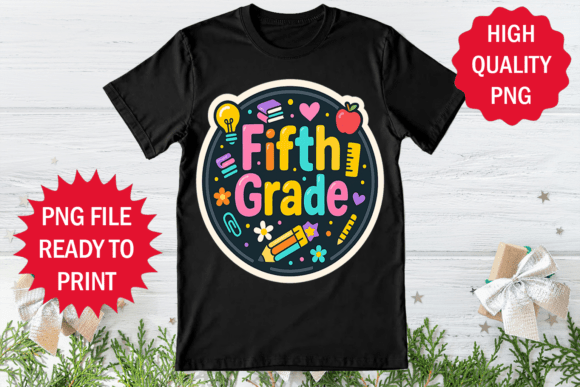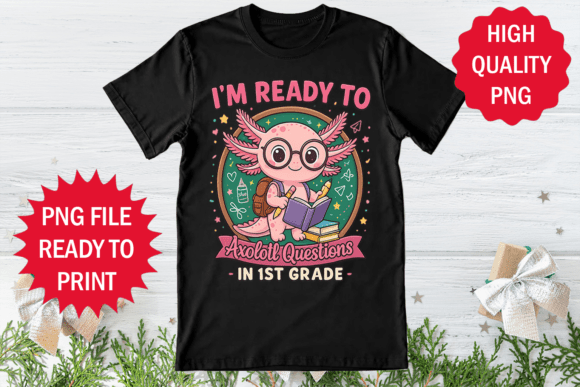
Teacher Day Teacher of 1st Grade Shirt
As a designer who spends more time than I care to admit staring at stitch density charts and fabric swatches, I approach every new Freebies submission with a mix of hope and skepticism. We all know the drill: a file might look stunning in a digital preview but turn into a tangled mess once it hits the hoop. Today, I am putting the Teacher Day Teacher of 1st Grade Shirt through its paces. This isn’t just about whether it looks cute on a screen; it is about whether it survives the reality of embroidery machine mechanics, customer expectations, and the wear-and-tear of daily life.
First Impressions: The Mood and Visual Personality
The moment you load this design, the first thing that strikes me is the celebratory energy. It is not subtle, and frankly, for a custom apparel item targeting first-grade teachers, subtlety is often the enemy of sales. First grade is a chaotic, beautiful, exhausting milestone, and this graphic captures that spirit. The layout feels balanced, avoiding the cluttered look that plagues many budget-friendly embroidery files.
The visual personality here is warm and inviting. It screams "handmade product" rather than "mass-produced factory print." When I look at the shape and theme, I see a design that naturally belongs on soft cotton blends or sturdy canvas. It has a delightful quality that suggests joy, which is exactly what a teacher needs to feel when they receive a gift from a parent or a student. For an Etsy seller, this kind of emotional resonance is key. It tells a story before the buyer even reads the listing description.
Real-World Application: From Hoop to Hand
Let’s talk about where this design actually shines. I recently had a client ask for a special graduation-style gift for their daughter’s first-grade teacher, but they wanted something wearable and practical. I pulled up the Teacher Day Teacher of 1st Grade Shirt design. My initial thought was a classic crewneck sweatshirt. However, after running a quick test, I realized the true potential lies in accessories.
This design performs exceptionally well as an embroidered patch or a centered chest logo on a high-quality tote bag. Why? Because the graphic elements are distinct enough to hold up without needing excessive detail. Imagine a sturdy canvas tote bag embroidered with this motif, paired with a simple satin stitch border. It becomes a boutique-level item that parents would proudly carry to school events. It elevates the perceived value of the small shop product significantly.
I also envision this working beautifully on baby items, specifically for teacher’s children. A soft onesie or a nursery decor pillow cover featuring this machine embroidery design adds a layer of personalization that resonates deeply. It bridges the gap between professional recognition and family warmth. For holiday embroidery projects, particularly around September or May (depending on your region's teacher appreciation timing), this asset fits perfectly into seasonal collections.
Technical Performance and Stitch Clarity
When evaluating any digital embroidery file, I always think about the stitch types involved. Based on the graphic nature of the Teacher Day Teacher of 1st Grade Shirt, I anticipate a healthy mix of fill stitches for the background shapes and likely some satin stitches for outlines or text if present. The clarity of the design suggests that it handles moderate stitch density well.
However, density is a double-edged sword. If the design relies too heavily on dense fill stitches on a thin fabric, you risk puckering. This is why testing on scrap fabric is non-negotiable. I recommend checking the thread color contrast carefully. Since this is a colorful graphic, ensuring that the lighter threads pop against darker fabrics—or vice versa—is crucial for maintaining visual appeal. If the colors muddy together during stitching, the "delightful" aspect mentioned in the product description vanishes, replaced by a gray blob.
For commercial embroidery purposes, consistency is king. If you are producing these items for a craft fair or an online store, you need to ensure that every single piece looks identical. This design appears robust enough to handle repeat runs, provided you use a proper stabilizer. Cut-away stabilizers are my go-to for this type of project, especially if the final product will be subjected to frequent washing, such as a sweatshirt embroidery or a frequently used apron.
Where to Use It Carefully
Not every surface is created equal. There are specific scenarios where the Teacher Day Teacher of 1st Grade Shirt might struggle:
- Small Hoop Sizes: If the design contains intricate details or tiny lettering, cramming it into a 4x4 inch hoop can result in lost definition. Always inspect small details before committing to a final run.
- Textured Fabrics: While linen or boucle fabrics look great, they can distort fine lines. This design might lose its crispness on highly textured surfaces.
- Stretchy Fabrics: Unless you are using a heavy-duty stretch stabilizer, delicate knits may pucker under the tension of the needle.
- Curved Surfaces: Applying this to a cap or a curved hat requires advanced digitizing adjustments. The flat layout of the original graphic may not translate seamlessly to a rounded brim without distortion.
- Dense Stitch Areas: Avoid placing large blocks of fill stitch near decorative accents or edges, as this can cause the fabric to tear over time.
Impact on Brand and Customer Trust
In the world of handmade goods, presentation is everything. Using a well-executed design asset like this one signals professionalism. When a customer receives a personalized gift that is neatly stitched, with no loose threads or misaligned elements, their trust in your brand increases. They perceive the item as higher quality, which justifies a higher price point.
Furthermore, this design aids in brand consistency. If you specialize in teacher gifts or back-to-school merchandise, having a reliable, attractive design in your library allows you to create cohesive collections. You can pair it with complementary designs to create bundles, increasing your average order value. For an Etsy seller, having ready-to-use, high-quality graphics reduces production time, allowing you to scale your craft business without sacrificing the handmade touch that buyers love.
Practical Designer Notes for Success
Before you rush to your machine, keep these practical tips in mind to ensure the best outcome:
- Test First: Never run a full production batch without testing on the exact fabric and stabilizer combination you plan to use.
- Check Contrast: View your design in black and white mockups to ensure the shapes remain distinct without color.
- Inspect Details: Zoom in on the digital file. Are there any overly thin lines that might break during stitching?
- Confirm Licensing: Even though this is listed under Freebies, always verify the license terms. Can you sell the finished physical products? Can you sell digital mockups? Clarifying this protects you from legal issues.
- Use Proper Stabilizer: Match the stabilizer to the fabric weight. Heavy fabrics need strong support; light fabrics need gentle backing.
- Thread Quality: Cheap thread breaks easily and looks dull. Invest in good quality polyester or rayon threads to match the vibrant nature of the graphic.
The Teacher Day Teacher of 1st Grade Shirt is more than just a pretty picture. It is a versatile tool for designers and entrepreneurs who want to create meaningful, high-quality products. By understanding its strengths and limitations, you can transform a simple digital file into a cherished keepsake. Whether you are making a tote bag design for a local school fundraiser or adding a unique touch to your online store, this design offers a solid foundation for creative success. Just remember: the magic happens in the execution, so take your time, test thoroughly, and let your craftsmanship speak for itself.